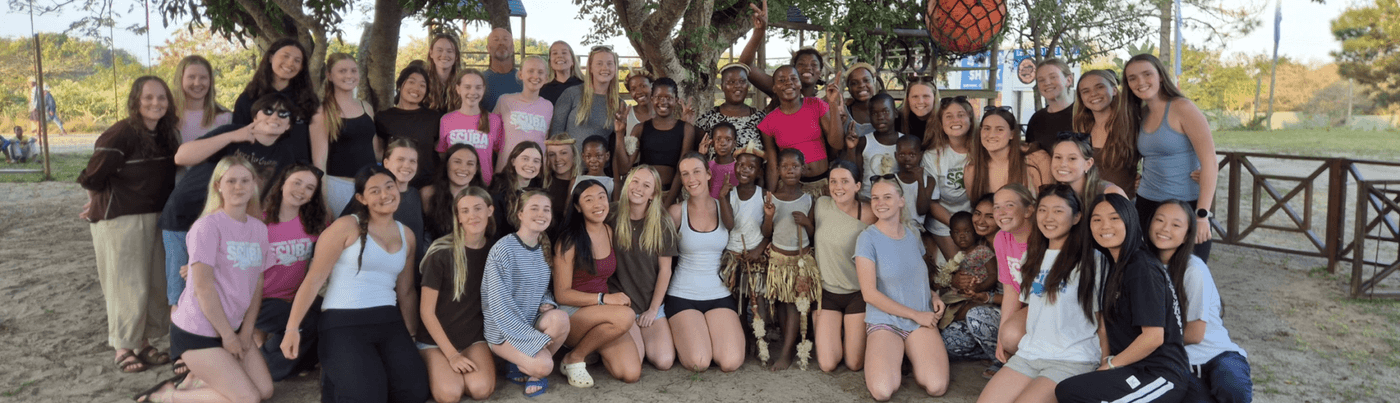
More than just a school trip, the expedition gave students the opportunity to contribute to genuine conservation research while experiencing some of the world’s most remarkable ecosystems firsthand.
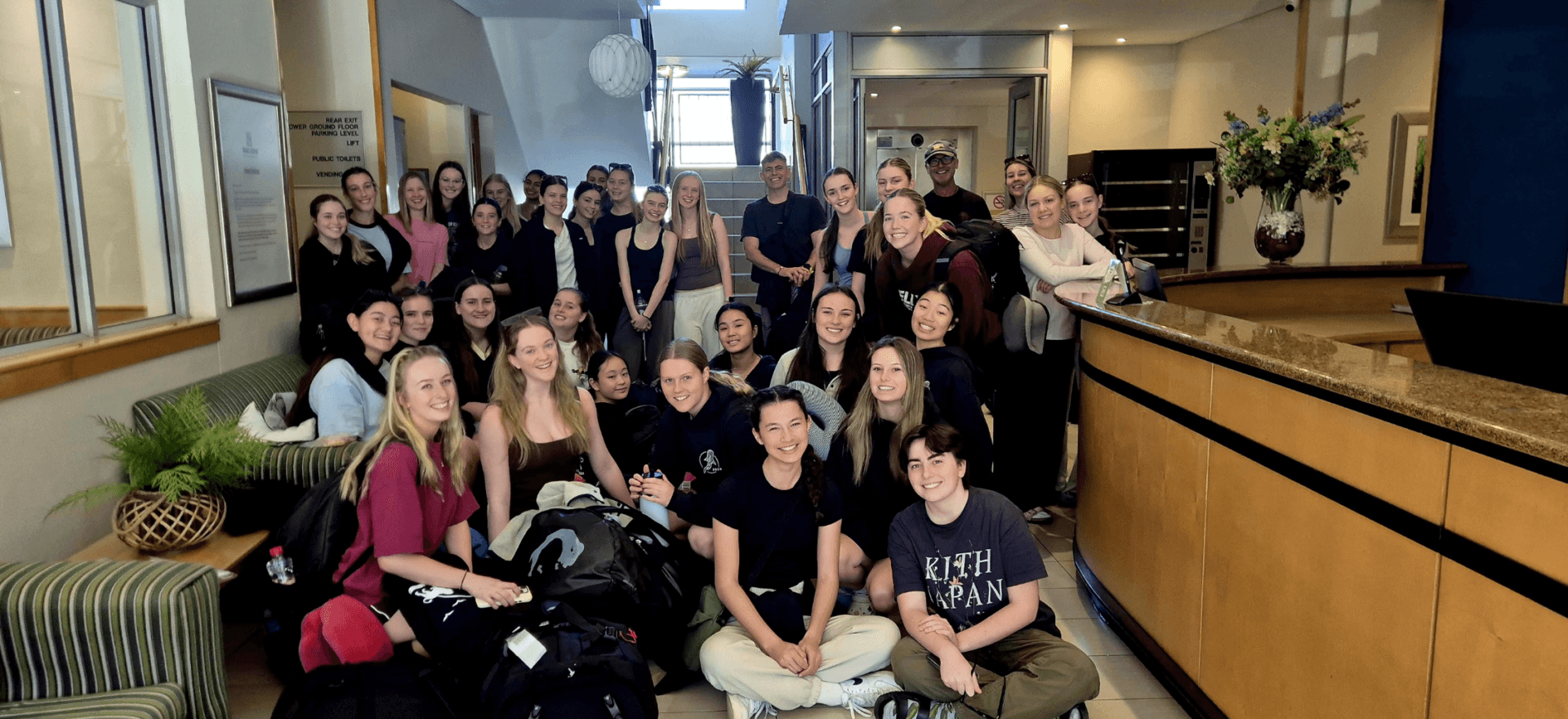
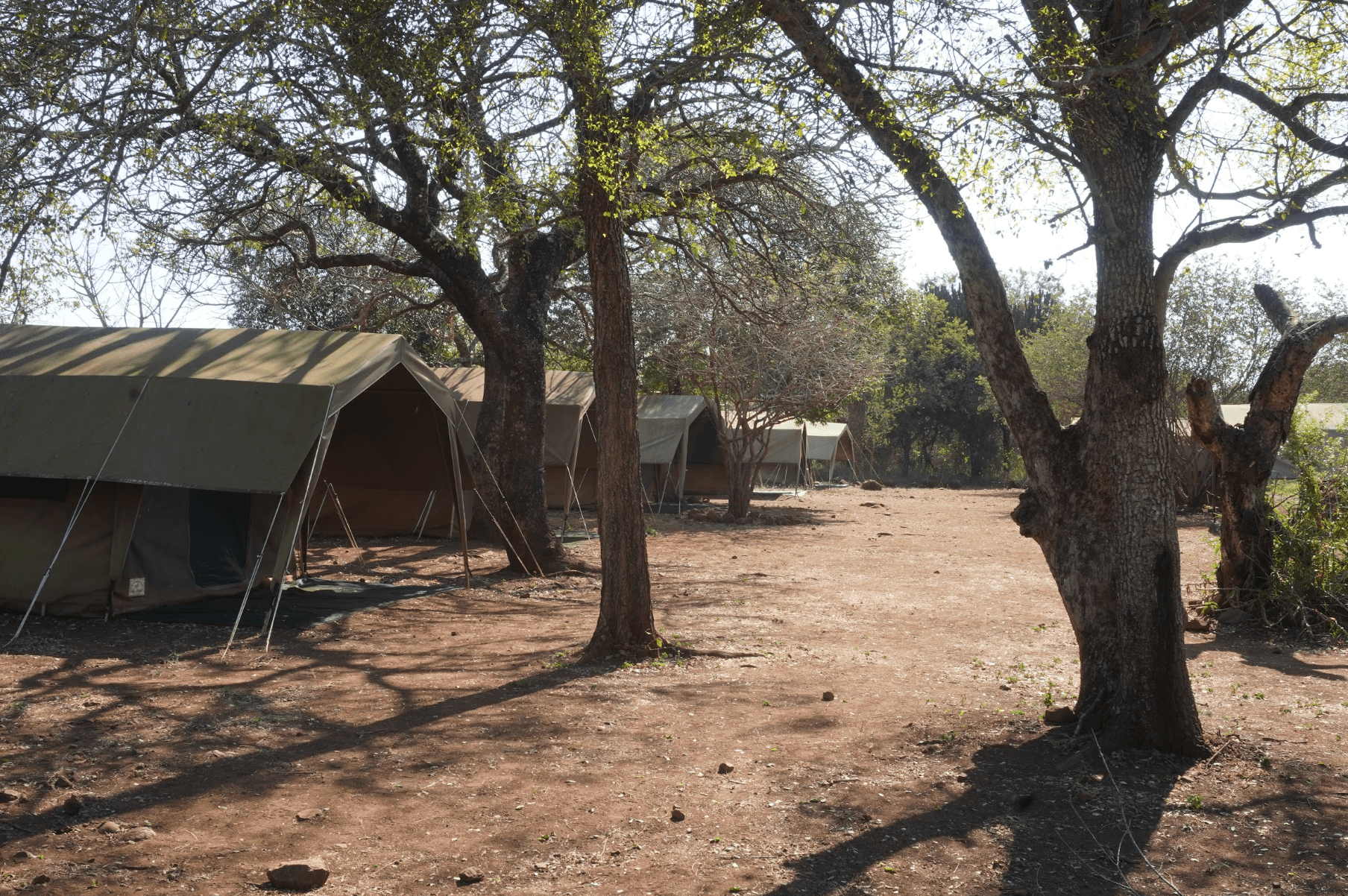
The journey began at Somkhanda Game Reserve in the Zululand district of KwaZulu-Natal. This community-owned Big Five reserve protects some of South Africa’s most iconic wildlife while supporting local communities through sustainable ecotourism. For a week, students lived under canvas in the heart of the reserve, immersing themselves in the sights, sounds and rhythms of the African bush.
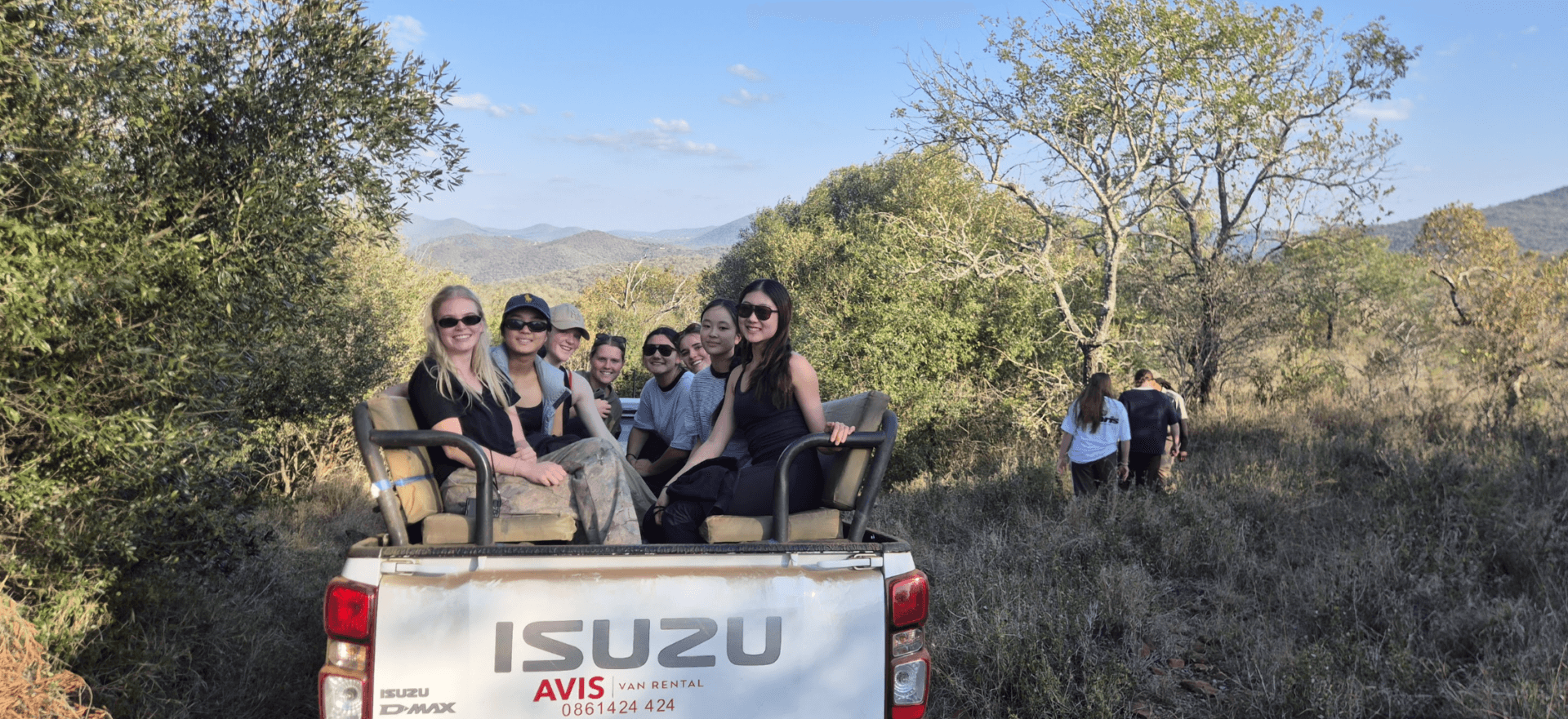
Each day brought new adventures. Travelling by safari vehicle, students encountered elephants, giraffe, buffalo and zebra at breathtakingly close range, while evenings were spent around the campfire beneath spectacular night skies, falling asleep to the distant calls of lions patrolling beyond the campsite.
For Hannah Hua, camping in the reserve became one of the highlights of the trip. “This trip taught me so much about conservation and the importance of ecosystems and climate preservation, but also exposed me to life outside of what I know in New Zealand, which is what I will carry with me forever.”
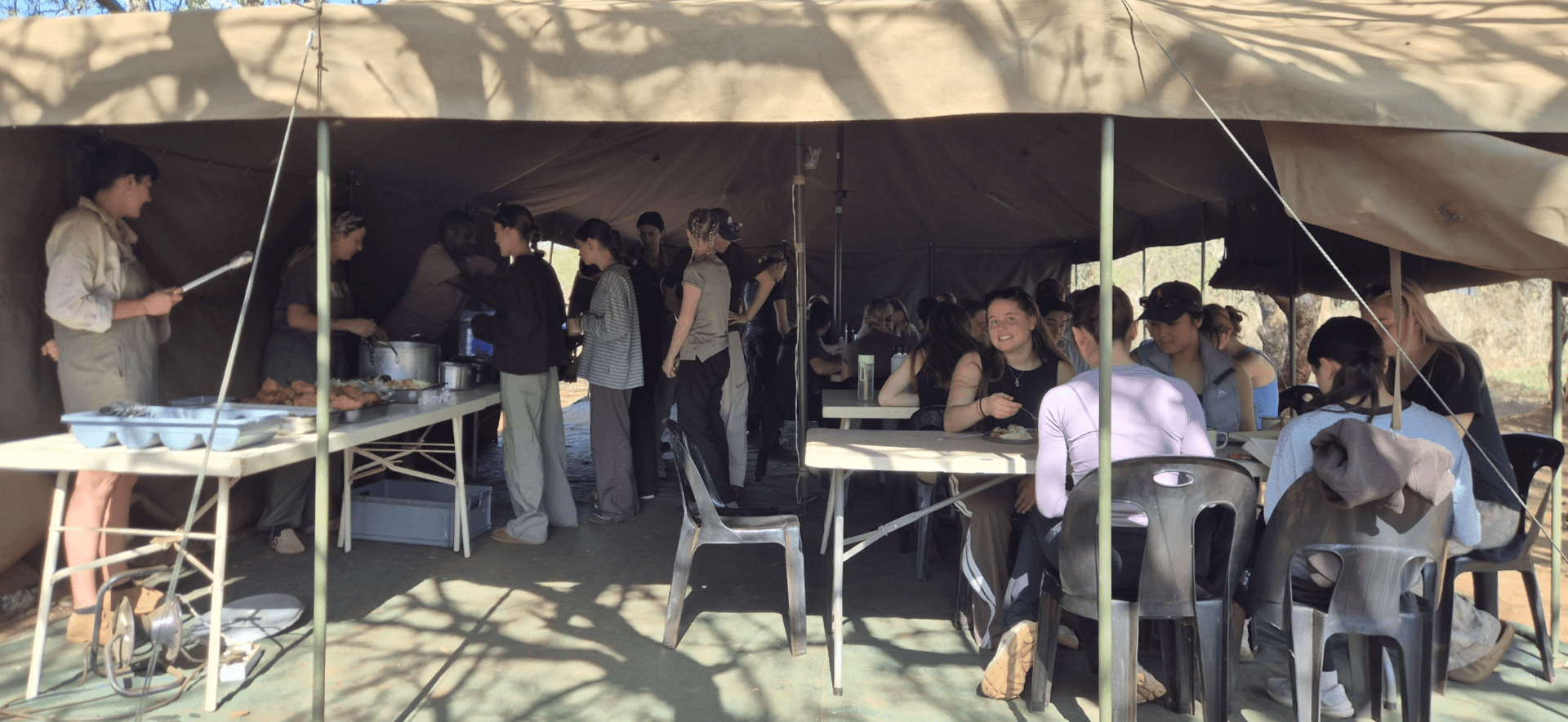
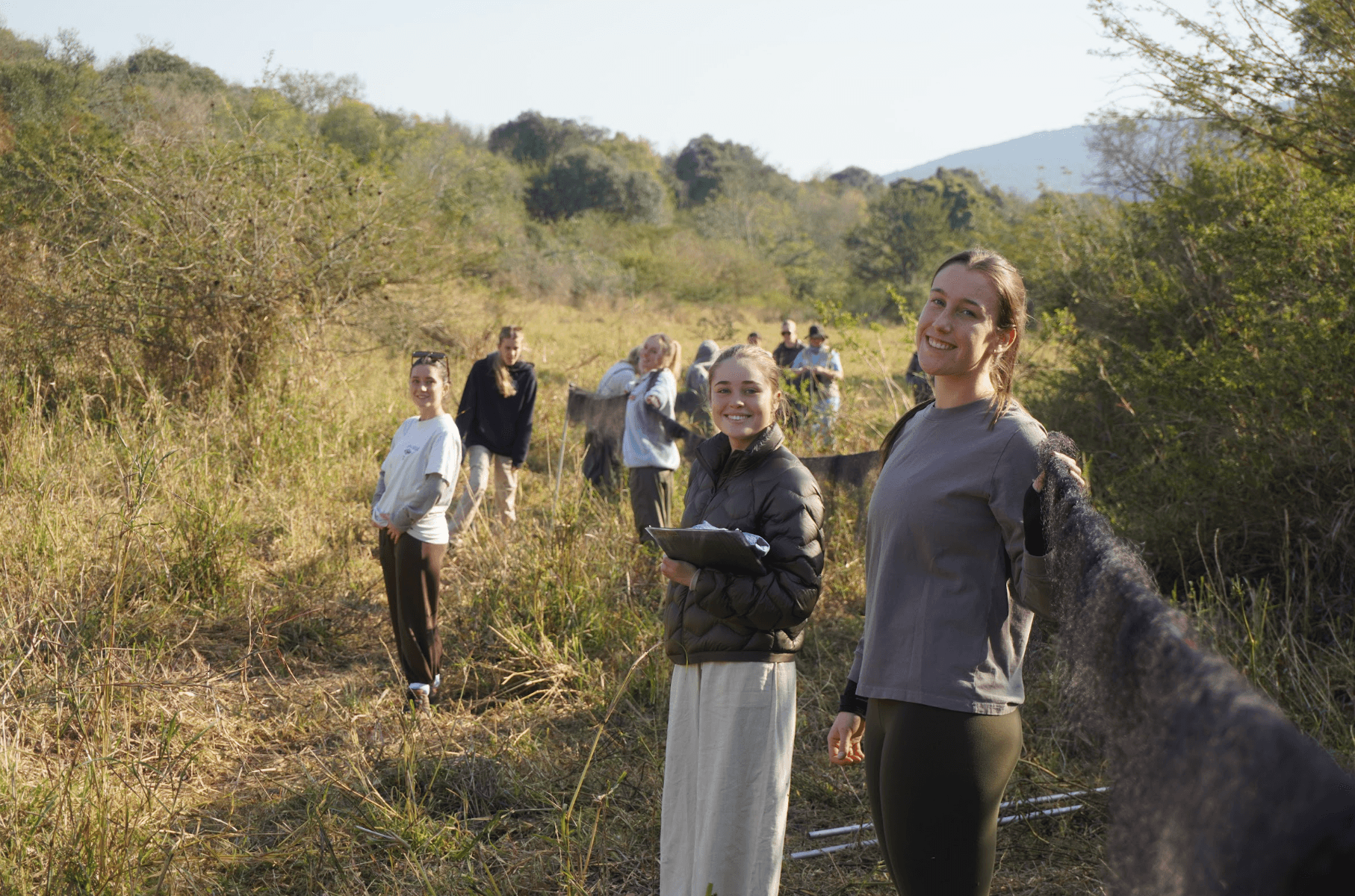
Alongside these unforgettable experiences, students worked alongside scientists to contribute to ongoing conservation projects. They assisted with bird catching and tagging, monitored large mammals using tracking techniques and camera traps, and collected biodiversity data that will help inform the long-term management and protection of the reserve. It was an invaluable opportunity to see how the scientific methods studied in the classroom are applied to real-world conservation.
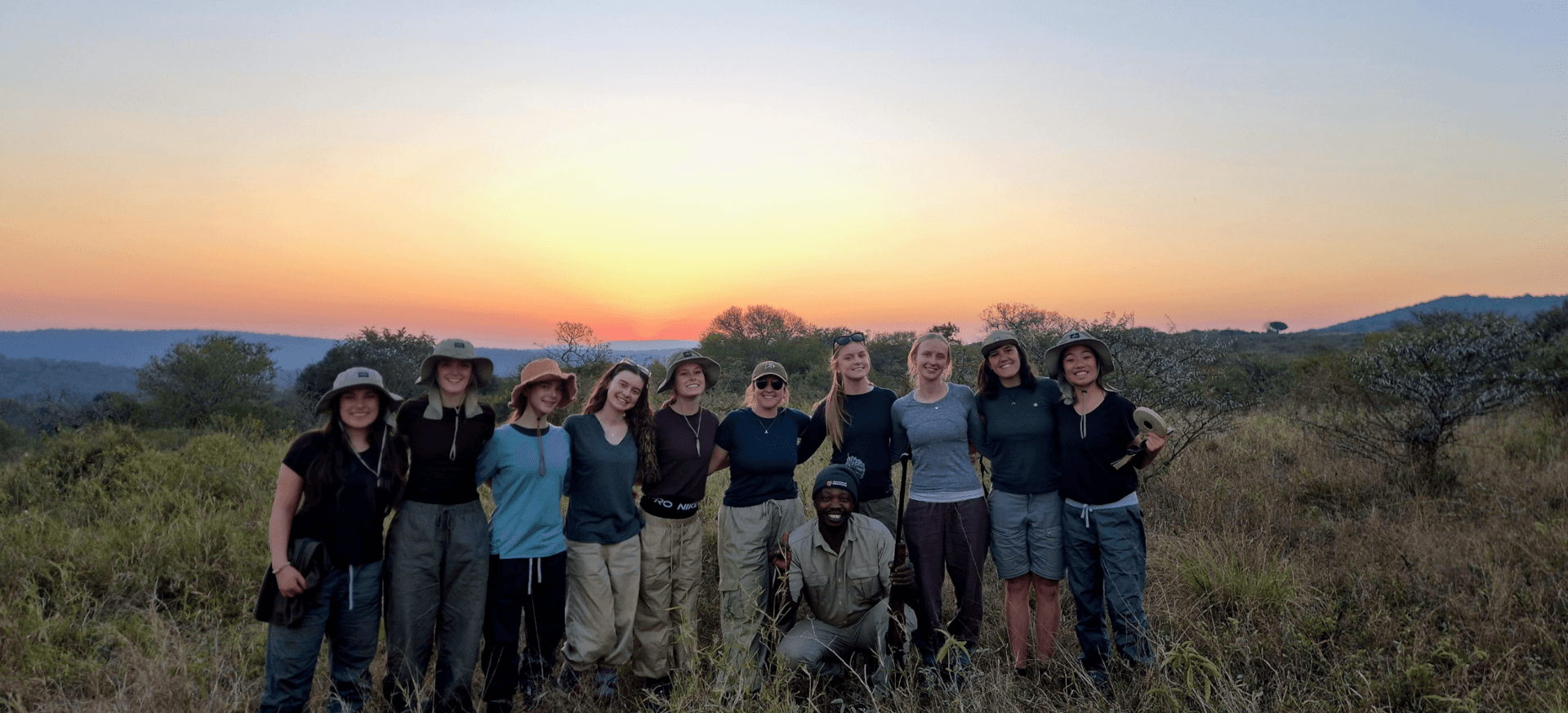
The experience inspired many students to think differently about their futures. Brontë Wolfgram reflected, “I feel more motivated, engaged, and fascinated that my future career can actually make a real difference,” after discovering how classroom learning translates into meaningful conservation work.
The second week took the group to Sodwana Bay on South Africa’s east coast, renowned as one of the country’s premier diving destinations. Surrounded by pristine beaches and vibrant coral reefs, students explored a very different ecosystem through snorkelling and scuba diving.
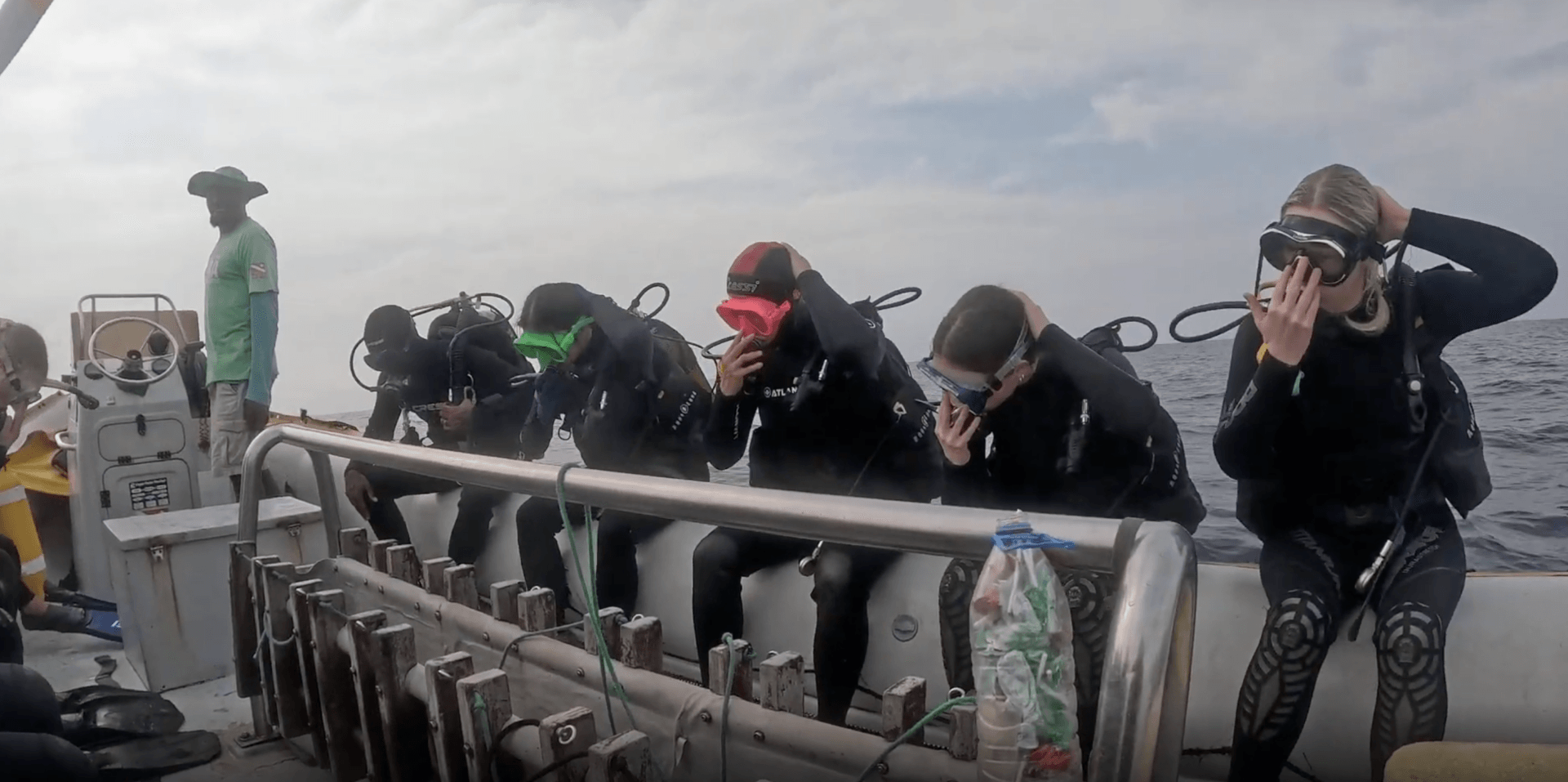
Each day began with an exhilarating boat launch through the surf before students descended beneath the surface to discover an extraordinary underwater world. Encounters with oceanic manta rays, dolphins, green turtles, reef sharks, colourful tropical fish and even humpback whales highlighted the incredible biodiversity of the region.
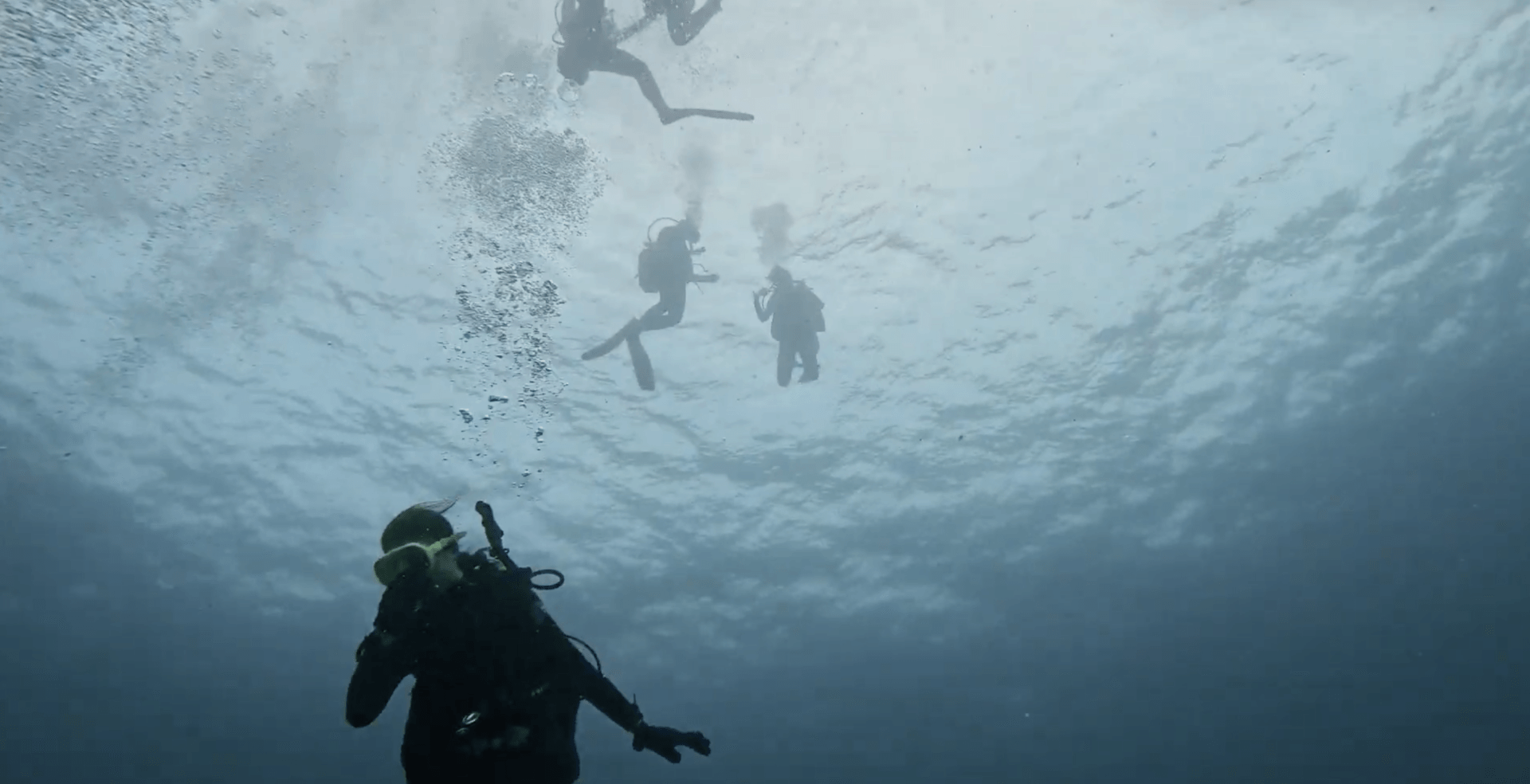
For Hollie Buckley, one underwater encounter stood above all others. “Seeing a manta ray while diving was something I’ve always wanted to see in real life,” she said, adding that she was proud she embraced every opportunity the expedition offered, from holding snakes to asking countless questions of the guides.
Evenings were once again devoted to learning, with Operation Wallacea scientists sharing their expertise on coral reef ecology and the importance of protecting these fragile marine environments. Students also enjoyed exploring local markets and experiencing the vibrant coastal community.
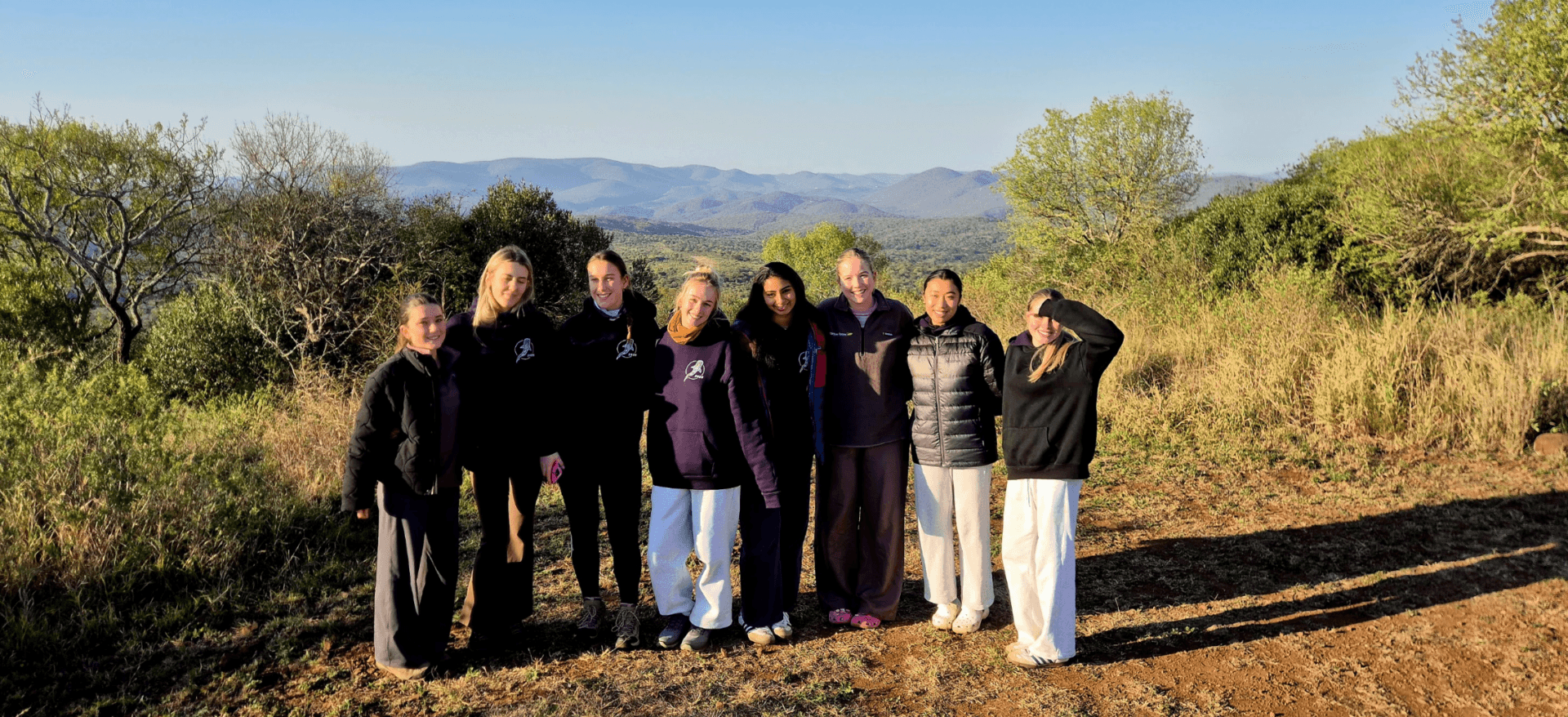
The expedition challenged students to step outside their comfort zones while strengthening friendships across year levels. Elei Clarke reflected that the experience had made her “more confident” and given her “a new perspective on conservation and life,” while also bringing Year 13 Biology concepts to life through real-world application.
Similarly, Alice Lott said the trip transformed the way she viewed her future. “Before this trip I was very confident that I wanted to study health sciences, but now I’m considering working in conservation… seeing it firsthand showed me how rewarding it felt to be making a difference.”
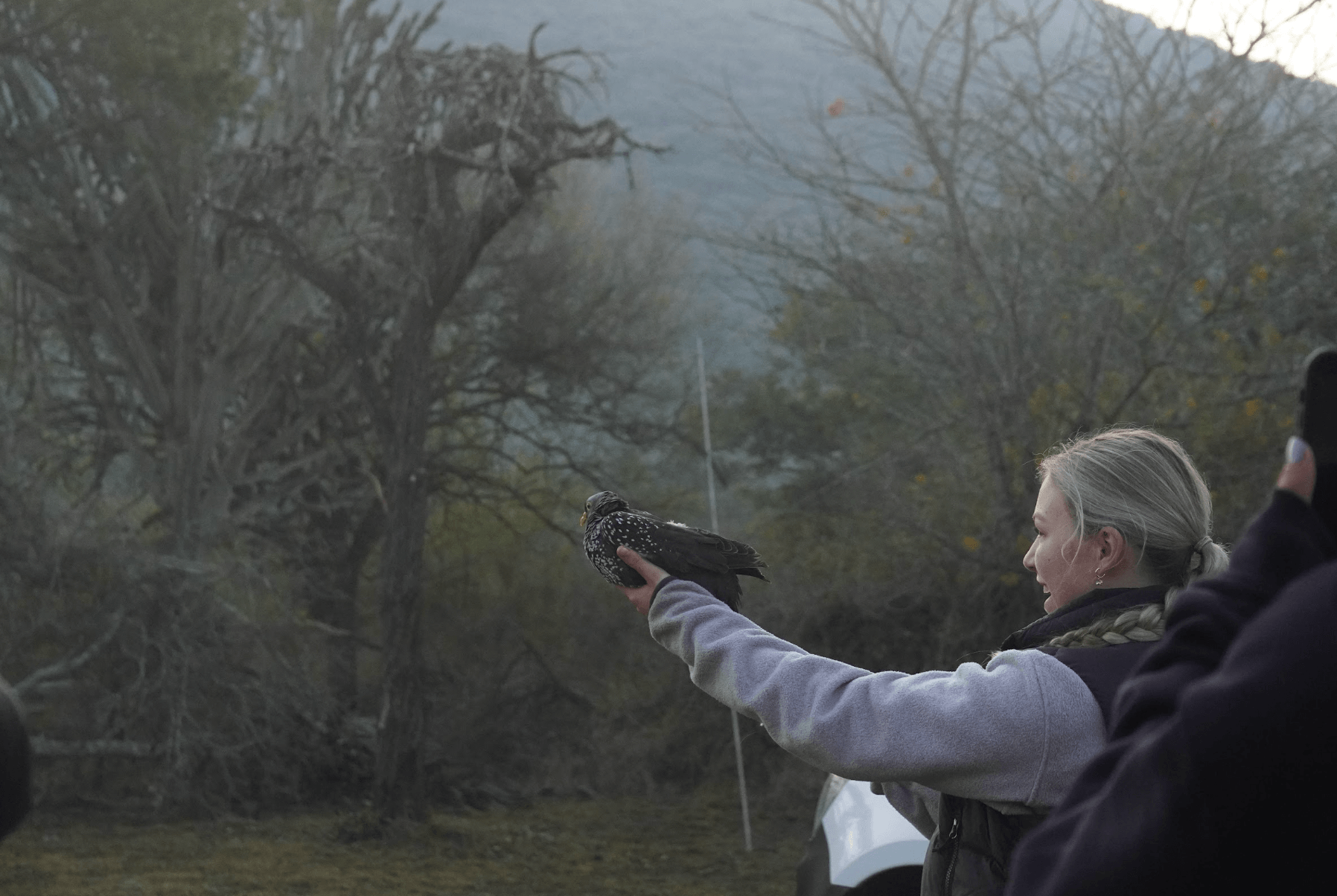
While the extraordinary wildlife left lasting memories, it was often the people who made the greatest impression. From the local guides and scientists to the friendships formed within the group, students repeatedly reflected on the sense of connection and shared purpose that developed over the two weeks.
Both staff and students returned home tired but inspired, bringing back lifelong memories, stronger friendships and a renewed understanding of the important role science plays in protecting our planet. It was a truly life-changing experience that will continue to shape these young women long after they leave the classroom.
Check out the highlights in the video below: